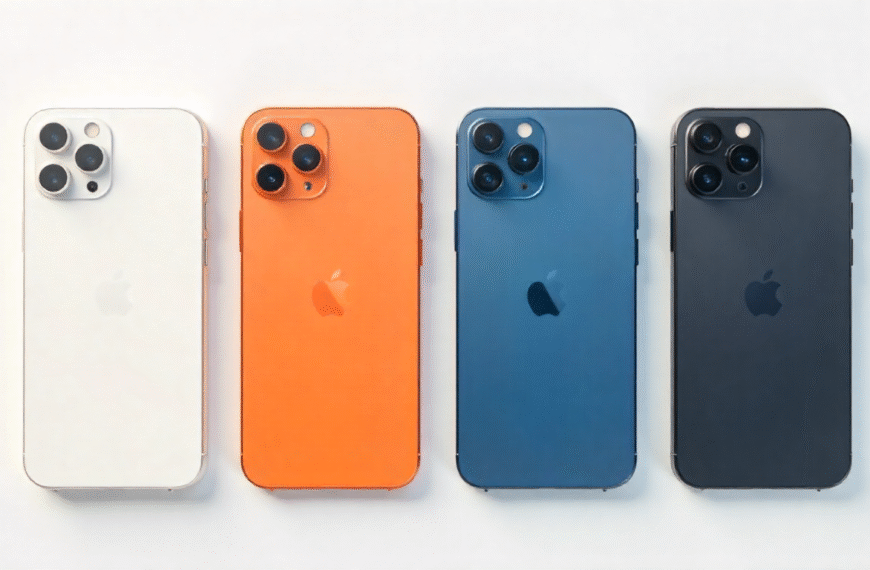
A new device category is quietly taking shape: AI-powered smart glasses. Slimmer than headsets and smarter than ordinary wearables, these devices promise hands-free information, real-time context, and persistent AI assistance. But whether they become a smartphone substitute—or simply a companion—may depend less on hardware than on a geopolitical contest between U.S. and Chinese tech ecosystems. Here’s a clear-eyed look at what’s driving the race, the technical and market challenges ahead, and what victory would mean for consumers and the global tech stack.
Why smart glasses matter now
Smart glasses combine display optics, on-device and cloud AI, sensors, and new interaction models (voice, gestures, glance) into one personal platform. They promise contextual experiences—overlaying navigation, translations, messages, or object labels exactly when you need them. For businesses, they offer hands-free workflows and new content channels. For consumers, they could change how we access everyday services: glanceable prompts instead of pulling out a phone. Meta’s recent product lines and developer pages show how companies are building display-driven, glanceable UIs today. Meta
Shipments are still small relative to smartphones, but the category is gaining traction. Analyst forecasts expect a multi-fold jump in shipments as 2025–2026 product cycles roll out, creating a foothold for wearables beyond simple fitness bands. Business Wire

The U.S. playbook: design, polish, and vertical integration
American incumbents approach smart glasses from a design and ecosystem angle. Meta has iterated on Ray-Ban Display lines and companion peripherals; Apple has reportedly reallocated resources away from a Vision Pro overhaul to prioritize lighter, consumer-friendly smart glasses that pair with iPhones or include their own displays. Reports say Apple is fast-tracking multiple glasses models emphasizing voice and AI integration. Those moves reflect a strategy of premium materials, tight hardware-software integration, and UX polish. Bloomberg+1
The U.S. advantage lies in global brand premium, mature app ecosystems, advanced optics and chip partnerships, and experience designing consumer devices at scale. The risk: higher price tags and slower iteration vs low-cost competition.
China’s strategy: local AI, low prices, and rapid scale
Chinese firms are attacking the space from a volume and services angle. Alibaba has previewed its Quark AI Glasses—powered by its Qwen family of models and integrated with services such as Alipay and Amap—and aims to ship in China by late 2025. Xiaomi already sells domestic AI glasses with cameras, voice assistants, object recognition and payment features at much lower price points than most Western premium models. That combination—affordable hardware plus embedded local services—could make smart glasses an ordinary consumer purchase in China years before mass adoption elsewhere. South China Morning Post+1
Smaller component suppliers and startups in China are also driving rapid improvements in displays, waveguides, and AR chipsets—helping local brands iterate quickly and undercut premium pricing.
Strengths of smart glasses
- Hands-free interaction: Smart glasses provide a natural, glanceable path for personal AI agents—contextual computing where what you see and hear matters.
- Fragmented but accelerating innovation: Multiple firms (Meta, Apple, Alibaba, Xiaomi and others) are testing form factors, displays, and AI features which increases the odds a mainstream design emerges.
- Ecosystem pull: Chinese players can bundle payments, shopping and mapping into a single package, while U.S. players bring global app ecosystems and developer reach.
The challenges (why adoption isn’t automatic)
Major technical and market hurdles persist: battery life and heat management, display brightness in sunlight, comfort and weight for all-day wear, and an app/content ecosystem that justifies choosing glasses over a phone. Privacy and regulatory concerns around always-on sensors and cameras are also unresolved. Academic and industry analyses continue to highlight these engineering and interaction gaps. ResearchGate
What a win looks like (and why it matters geopolitically)
Winning smart glasses isn’t just about selling units. Control of the full stack—chips, optics, AI models, app distribution and payments—creates a platform advantage that sets UX expectations, content formats and privacy norms. For the U.S., victory preserves influence over global UX standards and high-margin hardware. For China, success proves that integrated services and low prices can re-shape mass consumer behavior and export a distinct tech model.
Short term vs long term
In the next 12–36 months expect fragmentation: premium experiments from Apple/Meta alongside lower-cost Chinese models focused on local services. By 2026–2028 we may see consolidation around a few practical form factors and clearer use cases—if batteries, comfort and a content ecosystem improve.
Recommendations for stakeholders
- Device makers: prioritize battery tech, optics and lightweight designs; make clear, immediate use cases that win early adopters.
- Service providers: build glanceable micro-experiences (navigation, translations, meeting transcriptions, payments).
- Policymakers: work on privacy, safety and labeling standards for always-on wearables.
- Businesses: pilot hands-free workflows now to capture productivity wins.
Conclusion
Smart glasses are not merely another device; they’re an interface inflection point where AI, optics, and services converge. The U.S.–China competition will shape not only which companies profit, but which norms, standards and daily behaviors define the next era of personal computing.
External links (pasteable)
- Meta — Ray-Ban / Meta AI glass & developer pages: https://www.meta.com/ai-glasses/meta-ray-ban-display/ . Meta
- Bloomberg — Apple shelves Vision Pro overhaul to prioritize smart glasses (Mark Gurman): https://www.bloomberg.com/news/articles/2025-10-01/apple-shelves-vision-pro-revamp-to-prioritize-meta-like-ai-smart-glasses . Bloomberg
- Reuters — Apple halts Vision Pro overhaul to focus on smart glasses (news brief): https://www.reuters.com/technology/apple-halts-vision-pro-overhaul-focus-ai-glasses-bloomberg-news-reports-2025-10-01/ . Reuters

 By
By

 Registro en Binance says: