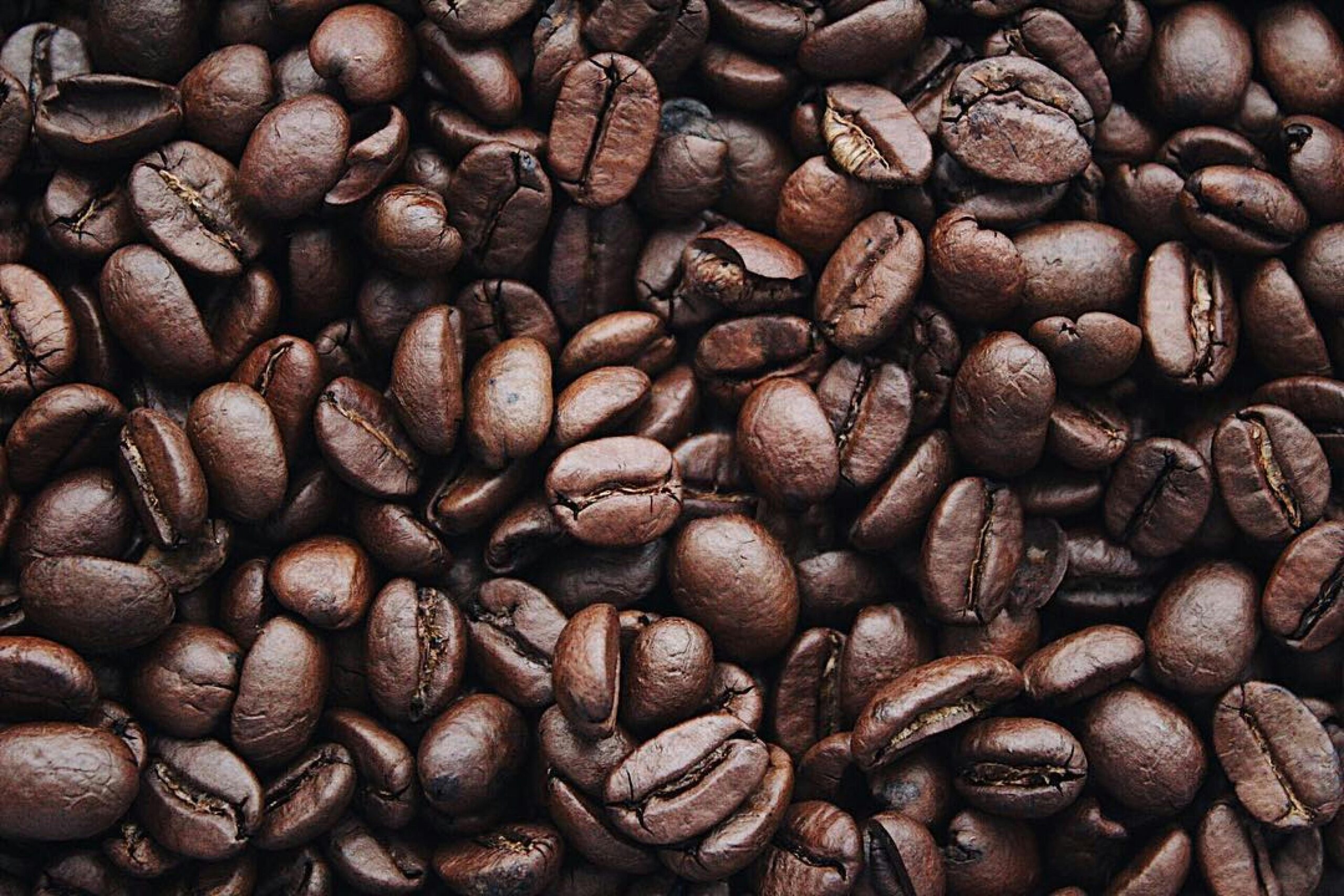

From cherry to cup: the real origin story
Coffee grows as a small fruit on the coffee plant. Each ripe cherry typically contains two seeds tucked back-to-back; occasionally a single seed forms (the peaberry), which roasters sometimes separate and market for its distinct roasting characteristics. Specialty Coffee Association+1
Anatomy matters: layers that protect flavor
A coffee cherry has multiple layers — outer skin, sugary pulp, a parchment layer, and a thin silver skin around the seed. Those layers (and how quickly they’re removed after harvest) influence the seed’s chemistry and therefore the cup. Processing choices after harvest are a major early determinant of flavor. Specialty Coffee Association+1

Processing: the first big flavor decision
How cherries are processed — how the pulp and mucilage are removed (or intentionally left on) — shapes the resulting taste:
- Washed (wet) processing: fruit is removed early; seeds are fermented, washed and dried. This tends to produce cleaner, brighter cups where origin character and acidity stand out. ncausa.org+1
- Natural (dry) processing: cherries are dried whole, allowing fruit sugars to interact with the seed. The result is often heavier body and fruit-forward notes (berry, jammy flavors). Perfect Daily Grind
- Pulped-natural / honey: hybrid approaches leaving some mucilage on the seed to create intermediate profiles. Perfect Daily Grind
Processing is not logistics only — it’s intentional flavor design at origin. Perfect Daily Grind
Roasting: where chemistry becomes aroma
Green coffee seeds are generally grassy and not yet flavorful. Roasting applies heat to transform sugars, amino acids and acids into hundreds of aroma and flavor compounds through processes such as caramelization and the Maillard reaction; these reactions build the brown color, body and many of the tasting notes we associate with coffee. Lighter roasts preserve origin character; darker roasts emphasize roast-derived chocolate, caramel and bitter notes. Perfect Daily Grind+1
Practical buying and brewing tips
- Look for origin + processing on the bag. Knowing whether a lot was washed, natural or pulped natural gives you a head start on expected flavor. ncausa.org+1
- Buy whole seeds and grind just before brewing to retain volatile aromatics.
- Match grind size to method: coarse for French press, medium for drip, fine for espresso.
- Store properly: airtight, opaque container in a cool, dark place; roasted coffee has a practical freshness window—use roast dates. ncausa.org
Small wonders: the peaberry
Peaberries occur when a cherry produces a single, rounder seed instead of two flat seeds. They’re rare (a small percentage of harvest) and sometimes separated for special lots; some tasters prize peaberries for perceived concentration of sweetness and clarity. Perfect Daily Grind+1
Final sip: a seed with a story
When you sip your next cup, remember you’re tasting the result of a seed’s journey — sunlight, soil and climate at origin, the processing choices made at harvest, and the precise transformations from roasting. Calling them “beans” is handy — but thinking of them as seeds from a fruit invites curiosity and helps you make smarter buying and brewing choices.
Try this: taste the same origin prepared as a washed and as a natural roast to hear how processing changes fruit, body and acidity.
Recommended external links (authoritative reading)
- Specialty Coffee Association — A Botanists’ Guide to Specialty Coffee (coffee cherry anatomy & botany). Specialty Coffee Association
- National Coffee Association — 10 Steps from Seed to Cup (processing overview & lifecycle). ncausa.org
- Perfect Daily Grind — Washed, Natural, Honey: Coffee Processing 101 (practical processing primer). Perfect Daily Grind
- Perfect Daily Grind — What Happens During Coffee Roasting: The Chemical Changes (roasting chemistry explained). Perfect Daily Grind
- Perfect Daily Grind — What Are Peaberry Coffee Beans? The Myths & the Reality (peaberry overview). Perfect Daily Grind
- National Coffee Association — How to Store Coffee (practical storage guidance). ncausa.org

 By
By

 Binance推荐奖金 says:
  binance says:
  Daftar says: