
Article
Introduction
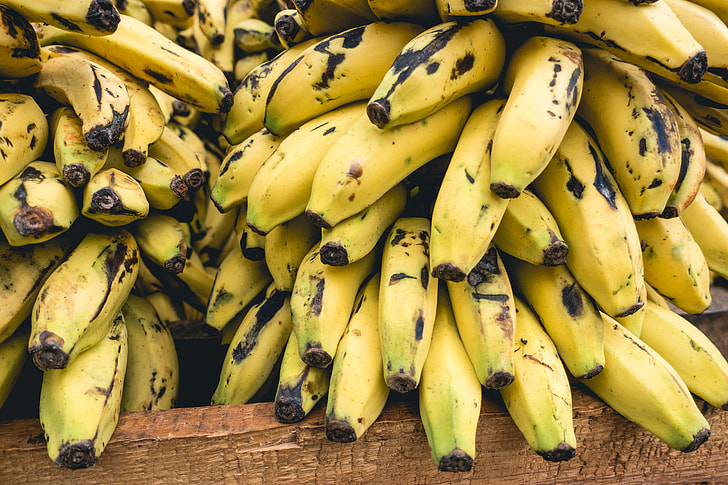
A persistent social-media claim says that fully ripe bananas with brown spots produce a protein called Tumor Necrosis Factor (TNF) that kills cancer cells — and that the darker the spots, the stronger the effect. That’s an attention-grabbing headline, but headlines do not equal clinical proof. This article looks at where the claim started, what reputable studies and fact-checks found, and what the evidence actually supports about bananas and cancer risk. Fact Check AFP+1
Where the claim came from
Versions of the story trace back to lab results and small animal studies, plus a 2009 experimental report suggesting ripe banana preparations can prime certain immune responses. Over time the original, limited findings were compressed into the sweeping statement that bananas contain TNF and therefore can prevent or cure cancer. Major fact-checkers have examined the claim and found it misleading. J-STAGE+1
What is TNF — and can a fruit “contain” it?
Tumor Necrosis Factor (often TNF-α) is a signaling protein produced by immune cells in animals and humans. It plays complex roles in inflammation and immune defense and can, in controlled laboratory settings, contribute to the death of some tumor cells. TNF is a human/animal immune molecule — the claim that banana flesh or peel contains biologically active human TNF in amounts relevant for treating cancer is not supported by rigorous evidence. Some studies show bananas or their extracts can influence immune signaling (for example, priming immune cells to produce more TNF), but that is different from bananas literally containing therapeutic TNF protein. J-STAGE+1
What researchers have actually found
- Bananas are rich in bioactive compounds. Reviews of the literature show banana flesh and peel contain antioxidants, flavonoids, phenolics and other phytochemicals that can reduce oxidative stress in lab tests — a plausible mechanism for long-term health benefits. PMC+1
- Laboratory (in vitro) studies show banana extracts can affect cancer cells. Isolated banana extracts have demonstrated antioxidant activity and, in some cell-culture experiments, inhibited growth of particular cancer cell lines. Those are early, preclinical findings that point to research potential — they are not human clinical proof. PMC
- Some animal and immune-priming studies exist. A 2009 experimental study reported that banana juice could prime immune responses (increasing TNF and related cytokines under specific conditions). That suggests bananas may modulate immune signalling in lab models, not that they deliver therapeutic TNF to people. J-STAGE
- Dietary components of bananas may affect cancer risk in other ways. Separate, higher-quality nutritional research has investigated components such as resistant starch from bananas; long-term population or trial evidence suggests fibre and resistant starch can influence gut health and may reduce risk for certain cancers. These are independent lines of evidence from the viral TNF claim. University of Leeds
Why the viral claim is misleading
- Conflates lab findings with human outcomes. Results from cells in dishes or animal experiments cannot be directly extrapolated to conclusions about prevention or cure in humans. PMC+1
- Mistakes correlation for causation. A study showing immune markers change after exposure to banana extracts does not prove eating bananas prevents or treats cancer. J-STAGE
- Fact-checkers disagree with the headline version. Multiple reputable fact-checking outlets examined the viral posts and concluded the simplified claim — that brown spots mean a tumor-killing protein is present in the fruit and will protect people from cancer — is false or misleading. Fact Check AFP+1
Practical, evidence-based takeaways
- Enjoy bananas as a healthy food. They provide fiber, potassium, vitamins and phytochemicals that support general health and fit well in a balanced diet. PMC
- Don’t treat bananas as a cancer cure. Current evidence does not support the idea that eating overripe bananas prevents, treats, or cures cancer. If you see dramatic claims on social media, consult peer-reviewed studies or trusted health organizations before changing health behaviors. Fact Check AFP
- Focus on proven prevention strategies. Quitting tobacco, maintaining a healthy weight, exercising, eating a varied diet rich in whole plant foods, and following screening guidelines are the best-supported ways to reduce cancer risk.
- If you’re interested in the science: look to systematic reviews and original research in PubMed/PMC for nuance — researchers continue to study banana bioactives, but translation from bench to bedside takes time. PMC
Conclusion
Bananas contain promising bioactive compounds and some lab studies show antioxidant and antiproliferative activity — reasons to include fruit in a healthy diet. But the viral headline that ripe, spotted bananas “contain TNF” that will kill cancer in humans oversimplifies and misinterprets the evidence. Rely on clinical research and medical advice for disease prevention and treatment, and treat social-media miracle claims with caution.

 By
By

 skapa binance-konto says:
  最佳Binance推荐代码 says:
  注册免费账户 says: