

Daily Pomegranates: A Simple Habit With Real Health Upsides
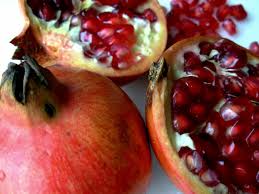
Pomegranates are more than a colorful garnish — they are a nutrient-dense fruit loaded with polyphenols, punicalagins and vitamin C. Regular intake has been investigated for potential benefits across cardiovascular health, immunity, cognition, exercise performance and even cancer-related pathways. Below we summarise the evidence, practical ways to include pomegranate in your diet, and trustworthy sources if you want to read the original research.
Why pomegranates matter
Pomegranate’s health interest stems from concentrated plant compounds (polyphenols and tannins) that act as antioxidants and mild anti-inflammatories. Those properties can help protect blood vessels, lower oxidative stress, and influence biological pathways related to aging and chronic disease.
Evidence-based benefits
Supports blood-pressure regulation.
Meta-analyses and randomized trials report modest but statistically significant reductions in systolic (and some reports of diastolic) blood pressure after regular pomegranate-juice intake. These effects are likely tied to improved endothelial function and polyphenol/nitrate-mediated vasodilation. PubMed+1
May enhance memory and cognition.
Clinical trials have shown improvements or stabilization of certain memory measures (visual/verbal learning) in middle-aged and older adults after regular pomegranate-juice consumption over weeks to months. While not a cure for dementia, these trials suggest short-term cognitive benefit in non-demented adults. PubMed+1
Strengthens defenses against microbes.
Laboratory and in-vitro studies show antibacterial and antifungal activity for pomegranate extracts (especially peel extracts). These findings support traditional uses and imply the fruit contributes antibacterial polyphenols when used as part of a healthy diet, though whole-food effects in humans need more clinical data. PubMed Central+1
May boost exercise performance and recovery.
Randomized trials and reviews report that pomegranate extracts or juice taken before exercise can increase blood flow, delay fatigue and improve certain performance outcomes in trained and recreational athletes. Benefits are most consistent with polyphenol-rich preparations and when timing/dose are optimized (often ~30–60 minutes pre-exercise). PubMed+1
Potential role in cancer prevention pathways.
Preclinical work shows pomegranate polyphenols can reduce inflammation, oxidative damage and tumor cell growth in lab models. Human trials remain limited and mixed; while some early-phase studies were promising, large definitive trials are lacking. Pomegranate is best considered a supportive dietary component rather than a replacement for conventional cancer treatments. PubMed Central+1
Nutrition snapshot (one bowl / 144 g)
- Calories: 93
- Protein: 2.3 g
- Carbohydrates: 20.9 g
- Fat: 0.14 g
How to add pomegranate to your daily diet
- Arils (fresh seeds): sprinkle on yogurt, oatmeal, salads or grain bowls.
- Juice: trials often use 150–200 ml/day of 100% pomegranate juice — pick unsweetened options.
- Smoothies: blend arils with banana, spinach and a protein source.
- Cooking: finish roasted vegetables, fish or grain salads with arils for texture and antioxidants.
Practical serving guideline
Starting point: one bowl of arils (~144 g) or 150–200 ml of pure pomegranate juice per day. If you monitor blood sugar, prefer whole arils (more fiber, less concentrated sugar).
Safety and interactions
Pomegranate is safe as food for most people, but watch for:
- Possible interactions with blood-pressure medications, statins and some other drugs — consult your physician before large or daily doses.
- Juice contains concentrated natural sugars — moderation matters for people with diabetes.
- If you have fruit allergies, introduce small amounts first.
Bottom line
Daily pomegranate is an easy, delicious way to add antioxidants and polyphenols to your diet. Evidence suggests it can modestly help blood pressure, support memory and improve exercise-related blood-flow outcomes, and lab research shows antimicrobial and anti-inflammatory properties. However, pomegranate should complement — not replace — medical care or prescribed medications.
Disclaimer: This article is informational and not medical advice. Consult a healthcare professional about dietary changes if you have chronic conditions or take medications.
Further reading / External links (authoritative)
- Meta-analysis: Effects of pomegranate juice on blood pressure (meta-analysis of RCTs). PubMed
- Randomized trial: Daily pomegranate juice stabilizes visual memory over 12 months (clinical trial report). PubMed
- Review — pomegranate polyphenols and cancer: Potential effects of pomegranate polyphenols in cancer. PubMed Central


 By
By


 binance konto skapande says:
  skapa ett binance-konto says: