
Article
In a milestone moment for regenerative medicine, researchers in Japan report that a man with spinal cord injury has regained the ability to stand without assistance following treatment in a pioneering stem cell trial. The result — described by clinicians as an early but meaningful step — highlights the potential for cell-based therapies to restore function after previously irreversible nervous system damage.
What the trial involves
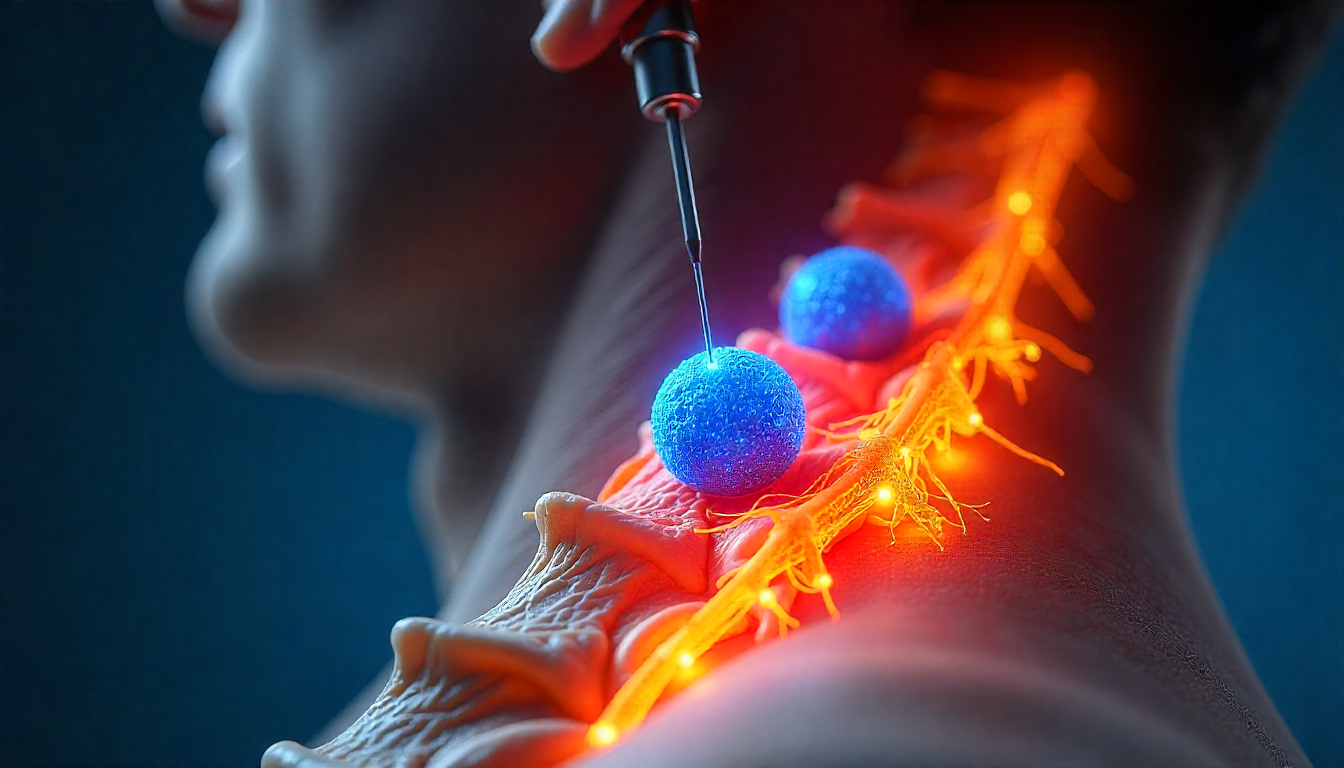
The clinical program uses lab-grown stem cells designed to replace or support damaged neural tissue in the spinal cord. During the procedure, doctors deliver therapeutic cells to the injury site where they are intended to survive, integrate with existing neurons and encourage the re-formation of neural connections. The goal is not only to limit further damage but to actively promote functional recovery, such as regained limb control or the ability to stand and balance.
Early outcome: a patient stands
According to reports from the trial team, one participant who had been unable to stand independently prior to treatment was able to stand on his own after receiving the stem cell therapy and completing a period of monitored rehabilitation. Clinicians caution that this single outcome does not yet prove long-term effectiveness, but it offers a powerful proof of concept that the injured spinal cord can, under certain conditions, recover previously lost function.
How the therapy may work
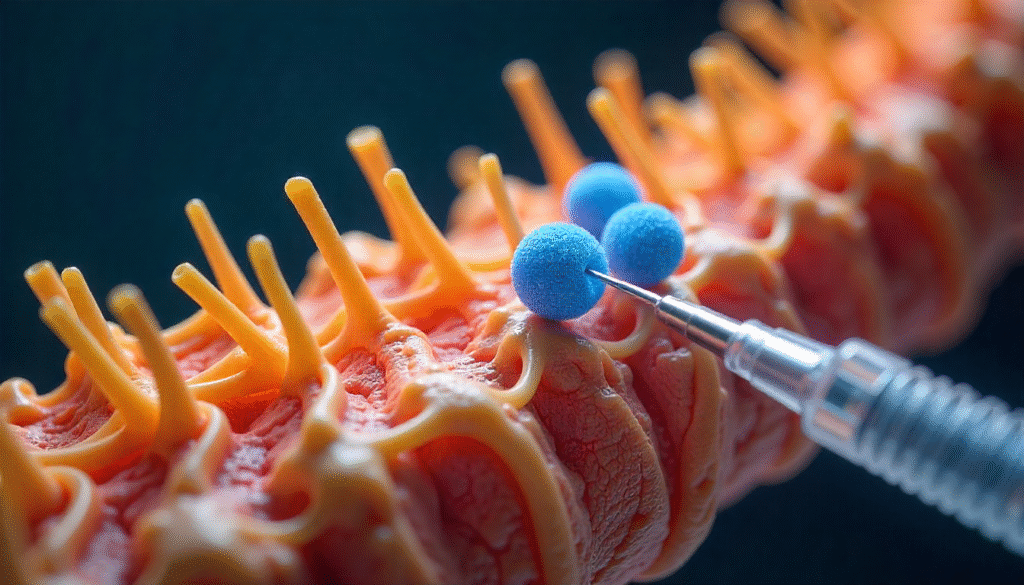
Stem cells can act in several beneficial ways: they may replace lost or damaged cells, secrete growth factors that nurture surviving neurons, and modulate harmful inflammation that prevents repair. When introduced into the injury environment, these cells can create conditions that support axonal regrowth and synaptic reconnection — the biological processes underlying restored movement and sensation.
Why this matters
Spinal cord injuries often cause permanent disability because the adult central nervous system has limited capacity to regenerate. A safe, effective stem cell therapy would represent a paradigm shift — moving treatment from life-long management of complications toward restoring independence and quality of life for patients. For families and health systems, even partial recovery (improved standing, grip, or bladder control) can dramatically reduce care needs and improve well-being.
Important caveats and safety
While the result is encouraging, experts emphasize caution:
- Single-case early data: Isolated improvements in one or a few participants do not guarantee consistent benefit across larger, more diverse patient groups.
- Long-term safety unknown: Potential risks — including immune reactions, abnormal tissue growth, or tumor formation — require extended follow-up.
- Rehabilitation remains crucial: Cell therapy is typically combined with intensive rehabilitation; functional gains usually reflect both biological repair and dedicated physio/therapy.
- Regulatory and ethical oversight: High-quality randomized trials with transparent reporting are essential before broad clinical adoption.
Next steps for research
Researchers plan to continue enrolling patients and to monitor outcomes over months and years, assessing both functional improvements and safety markers. Larger, controlled trials will be needed to determine which injury types, timing windows after injury, and patient characteristics predict the best responses. Scientists are also investigating ways to optimize cell type, dosing, delivery method and supportive therapies to maximize recovery.
What patients and caregivers should know
If you or a loved one is exploring cutting-edge options:
- Consult trusted specialists at accredited centers with experience in spinal cord trials.
- Ask about trial eligibility, risks, expected follow-up, and whether the program includes rehabilitation services.
- Beware of unproven treatments marketed without peer-reviewed evidence; legitimate clinical trials operate under strict ethical and regulatory standards.
Keio University — official press release (follow-up on the clinical study)
Suggested anchor text: Keio University press release on the iPS cell spinal-cord study — place this after your paragraph that describes the trial team, patient count and the official safety statement. Keio University
Nature (news story) — “Paralysed man stands again after receiving ‘reprogrammed’ stem cells”
Suggested anchor text: Nature coverage of the first-of-its-kind trial — use this where you summarize the reported patient outcome (one patient able to stand). Adds high-authority backing
How to insert them (quick placement guide)
- After the lead paragraph (where you announce the “paralyzed man stands” claim), add the Nature and Keio press release links to support the claim. NatureKeio University
- In the methods/what-they-did paragraph (cells used, delivery method, sample size), link to the Keio press release, the study protocol (Sugai et al.) and the trial registry. Keio University+1PMC
- When you discuss reactions, caveats and safety, link to MedicalXpress, Japan Times and Asahi for accessible summaries and local quotes. Medical XpressThe Japan Times朝日新聞
- Add a “Further reading / sources” box at the end of your article that lists all of the above (readers and editors like a tidy source list).


 By
By


 registro na binance says:
  Meilleur code de parrainage Binance says:
  Creati un cont personal says:
  Najlepszy kod polecajacy Binance says: