Smartwatches are excellent at counting steps and tracking sleep, but a new study suggests they fall short when it comes to reliably measuring stress. Researchers who tracked 800 young adults wearing Garmin Vivosmart 4 devices for three months found almost no correlation between the watches’ biometric stress scores and participants’ self-reported anxiety. The results raise important questions about how—and whether—wearables should be used to assess emotional states. Universiteit LeidenThe Guardian
Key finding in brief
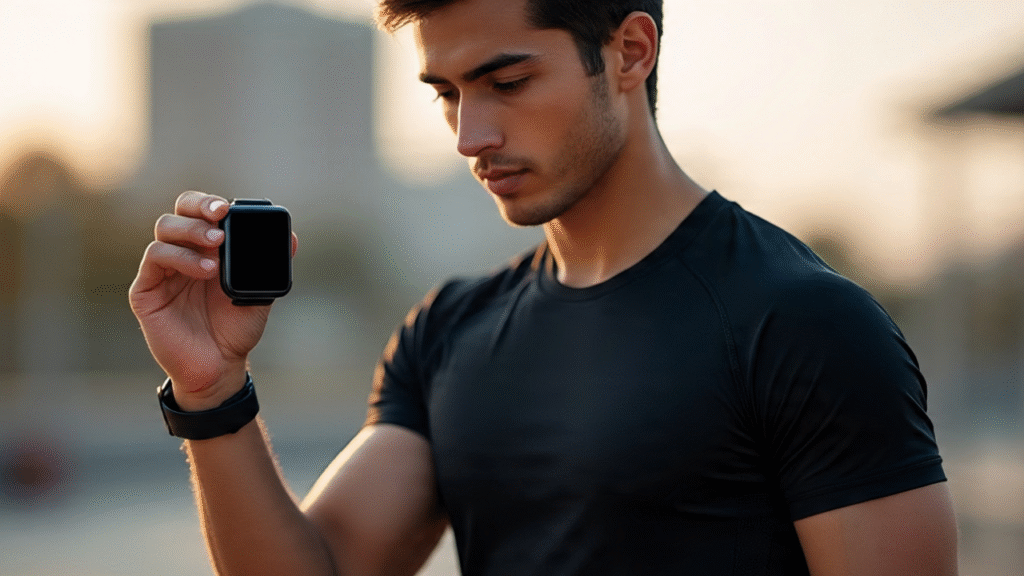
Researchers led by Eiko Fried report that the correlation between smartwatch-derived stress metrics (largely based on heart rate data) and participants’ self-reported stress was essentially zero. In plain terms: the watch’s stress score often did not match how people said they felt—sometimes even indicating the opposite. The GuardianUniversiteit Leiden
How the study was done
Over a three-month period, 800 young adults wore Garmin Vivosmart 4 devices while researchers collected continuous physiological data. Participants also completed brief self-report surveys four times a day about their current feelings of anxiety, fatigue, and sleepiness; the team then compared those real-time self-reports to the smartwatch’s estimates. The study and its methods are summarized in a Leiden University release and covered in major outlets. Universiteit LeidenThe Guardian

Why smartwatches struggle to read emotion
The study’s senior author, Eiko Fried, explained a core limitation: most wearables estimate stress primarily from heart-rate signals. Heart rate is a non-specific marker of physiological arousal — it rises during exercise, excitement, sexual arousal, and anxiety alike — so a single biomarker without context cannot distinguish emotional valence reliably. The Guardian
The device used in the study
Researchers used the Garmin Vivosmart 4, a popular consumer fitness tracker whose sensors and “body battery” / stress widgets are aimed at everyday users rather than clinical diagnosis. For device specs and manufacturer details, see Garmin’s official product page. Garmin
Expert perspective
Other researchers echo a cautious view: wearable data can offer useful insights into patterns of activity, sleep, and physiological arousal, but these signals have limits. As Margarita Panayiotou from the University of Manchester noted after reviewing the study, “wearable data can offer valuable insights into people’s emotions and experiences, but it’s crucial to understand its potential and limitations.” The GuardianResearch Explorer
What this means for consumers
- Treat stress scores as one data point, not a diagnosis. A high stress reading might indicate physical activity, caffeine, excitement, or genuine anxiety—context matters. The Guardian
- Use patterns, not single readings. Trends (repeated high arousal combined with poor sleep and negative mood) are more informative than isolated alerts. Universiteit Leiden
- Combine objective and subjective measures. Regular self-check-ins, journaling, or validated questionnaires provide necessary context that sensors alone cannot supply. Universiteit Leiden
- Seek professional help when needed. Wearables are not substitutes for clinical assessment. If stress or anxiety interferes with daily life, consult a qualified mental-health professional.
Implications for researchers and manufacturers
The study highlights a research gap: identifying reliable physiological proxies for specific emotions remains challenging. Better algorithms may come from multimodal data (combining heart rate with respiration, skin conductance, contextual phone sensors, and validated self-reports), but developers and researchers must be transparent about current limitations and avoid overpromising what devices can detect. Universiteit LeidenThe Guardian
Bottom line
Wearables remain powerful tools for tracking activity, sleep, and general arousal. However, current smartwatch stress metrics—especially those based largely on heart rate—should not be interpreted as definitive measures of emotional state. Users and developers alike should prioritize context, transparency, and cautious interpretation of wearable-derived “stress” scores. The GuardianUniversiteit Leiden
Further reading (use these as external links in your post)
- Leiden University: “Does your smartwatch say you’re stressed? It may often be wrong.” Universiteit Leiden
- The Guardian coverage of the study. The Guardian
- Garmin — vívosmart 4 product page (device specs). Garmin
- Gizmodo: analysis/coverage of the study. Gizmodo


 By
By

 Karelle Coleman says:
  Nathan G. says:
  Caleb D. says:
  binance Anmeldung says: