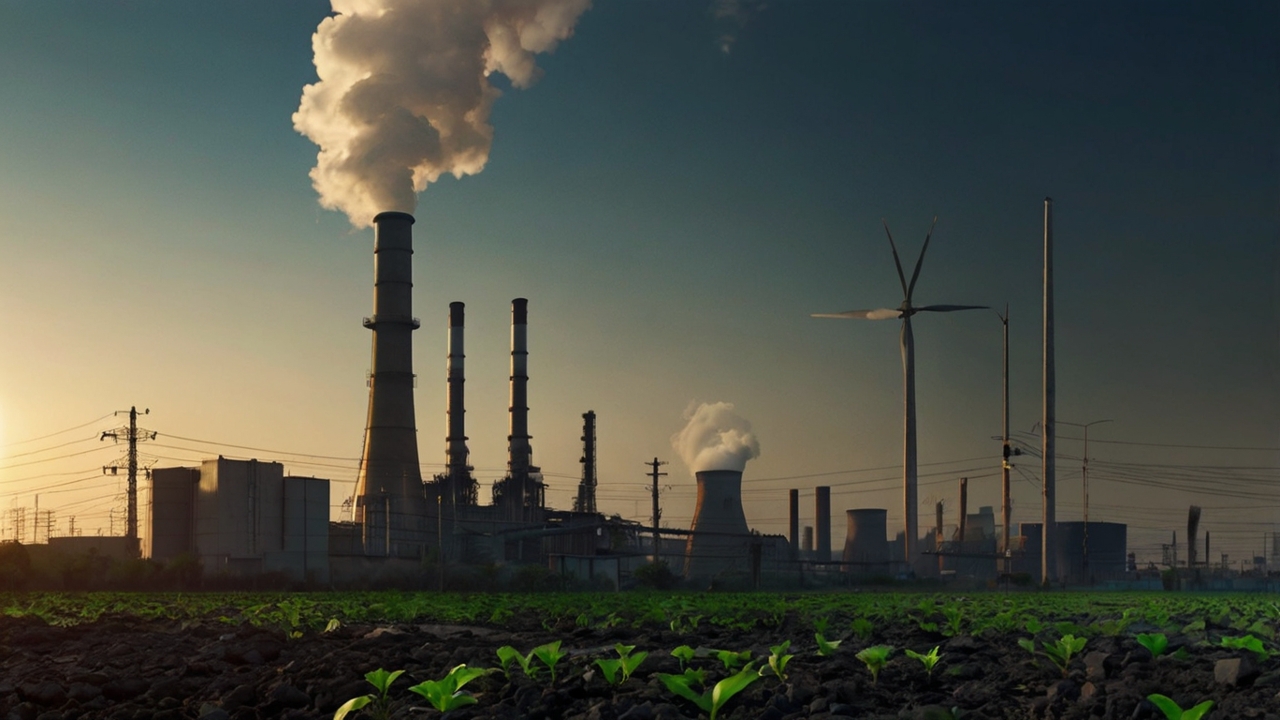

From rapid build-out to mounting liabilities
Between 2014 and 2019 the CPEC-era push added large imported-coal capacity to Pakistan’s grid—helping ease load-shedding but also creating long-term contractual liabilities under dollar-linked PPAs. Official project listings and government summaries show multiple large imported-coal projects commissioned or contracted during that period, including Sahiwal (1,320 MW), Port Qasim, and Hubco. CPEC+1
The Sahiwal plant—commissioned in October 2017 under a 30-year PPA with Huaneng Shandong Ruyi Energy—illustrates the challenge: it is entitled to a high guaranteed return on equity and minimum offtake, while utilization has fallen materially as cheaper solar and weakened demand reduced dispatch. The plant’s financing and contractual terms have been widely documented by independent analysts. IEEFA+1
The headline economics: buyout vs long-run payouts
Recent modelling finds that compensating owners to retire the plant early can be cheaper in many plausible scenarios than running the plant under existing contract terms through their full life. The analysis shows compensation ranges under several acceleration scenarios and highlights examples where an upfront buyout or restructuring materially reduces the state’s long-run exposure compared with continuing capacity and fixed-charge payments. (See the cited analysis for detailed scenarios and assumptions.) IEEFA+1
Two pragmatic pathways to closure
The analysis groups closure strategies into two practical approaches:
1. Upfront buyout. The government (or a blended finance vehicle) pays a lump sum to compensate owners for the net present value of foregone cash flows—creating certainty and freeing payments to support replacement clean energy.
2. Contractual restructuring. Negotiate lower guaranteed returns or changed PPA terms so investors recover value earlier while the state reduces long-term payouts.
Both approaches can be structured to redirect savings into clean-power investment, grid upgrades and social measures for affected workers and communities. See also international ETM precedents below for financing models. IEEFA+1
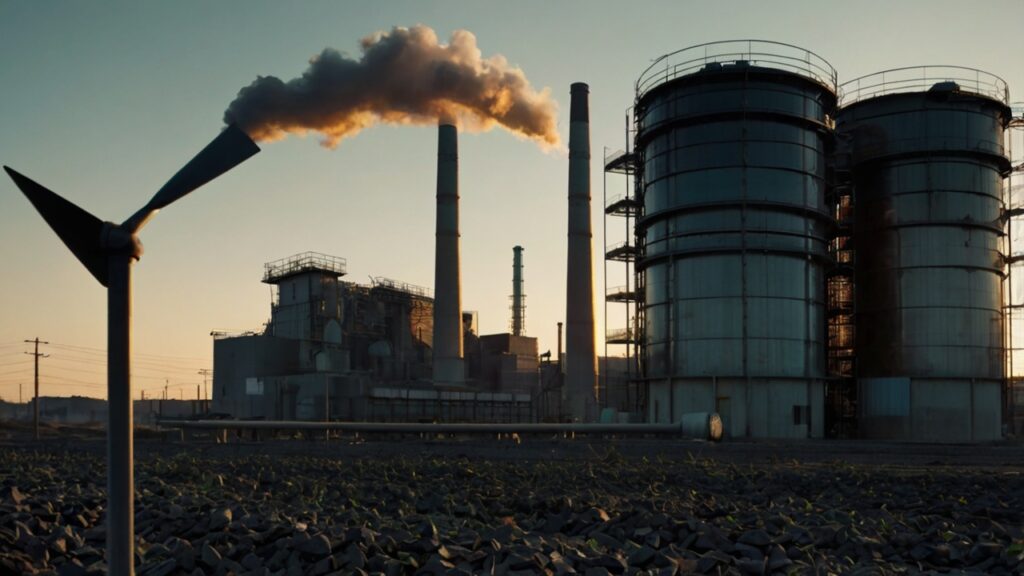
Climate and finance co-benefits
Retiring underused imported-coal plants early has clear climate benefits: modeled 10-year reduction windows for plants like Sahiwal imply avoidance of tens of millions of tonnes of CO₂. Those emissions reductions, packaged into credible deal structures, can help attract blended transition finance, concessional capital and market-based transition credits. The ADB/World Bank ETM framework and related pilot work in countries such as Indonesia and the Philippines provide practical precedents for how such finance can be mobilized. IEEFA+1
Real constraints—why design matters
Pakistan’s fiscal and contractual landscape is complicated by sovereign guarantees, dollar-indexed tariffs, and a power sector affected by circular debt and large receivables. Recent official and sector reports document the scale and persistence of arrears and circular debt, underscoring the need for careful program design to limit contingent liabilities and protect public finances. power.gov.pk+1
A smart piloting strategy
Debt amortization on some plants is near completion, shifting cash flows toward equity returns—making those assets more negotiable. That, plus Sahiwal’s large size and concentrated contractual exposure, makes it a logical pilot. A transparent, well-designed pilot can create templates and negotiation playbooks to replicate deals across other underused imported-coal plants. IEEFA+1
Policy checklist for a bankable program
To convert the analysis into a scalable program, policymakers should:
- Adopt transparent, consistent valuation methodologies for buyouts and restructurings. IEEFA
- Set technical standards for emissions accounting and verifiable reporting. IEEFA
- Design blended-finance vehicles that combine concessional climate finance, development-bank capital, and private investors. IEEFA
- Prioritize plants where debt is largely repaid and equity returns dominate cash flows. Global Energy Monitor
- Build legal safeguards and dispute-resolution mechanisms to limit contingent fiscal risk. SDPI
Conclusion
Early retirement of selected imported-coal plants is not just an environmental objective—it is an actionable fiscal and financial strategy. Careful deal design, clear valuation rules, and blended financing can convert near-term fiscal choices into long-term savings and climate benefits. If Pakistan pilots a transparent, well-structured program beginning with plants like Sahiwal, it can both protect public finances and build a repeatable model for a broader, economically sensible coal phase-out.
References / External links
- IEEFA — Repurposing Pakistan’s coal-based assets (case study and modeling on Sahiwal). IEEFA
- CPEC / Government project pages — Sahiwal and other imported-coal projects (project listings and commissioning dates). CPEC+1
- Global Energy Monitor — Sahiwal power station (financing, capacity, commissioning notes). Global Energy Monitor
- SDPI / Pakistan think-tank report — Coal to Clean Credit Initiative (analysis of accelerated retirement and transition options). SDPI
- ADB / ETM resources — Energy Transition Mechanism background and country pilots (Indonesia, Philippines, Pakistan pre-feasibility). IEEFA+1
- Official Circular Debt / Power Ministry report (circular debt and receivables data).


 By
By

 binance code says: